
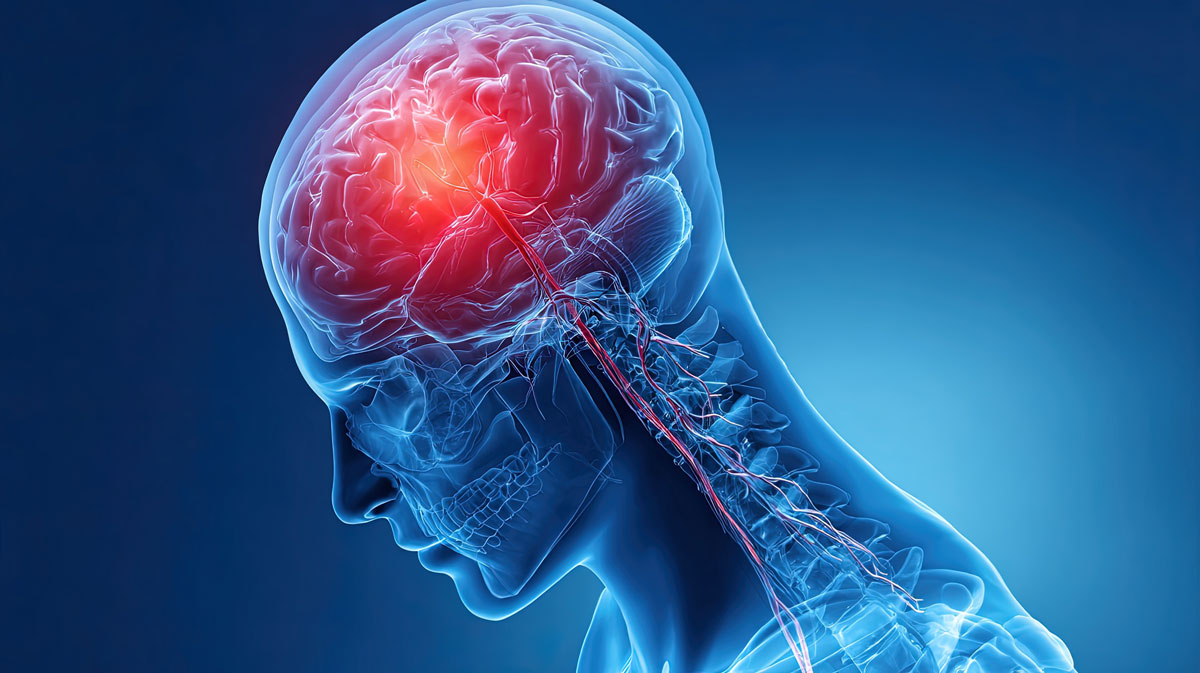
Post-Stroke Motor Impairments
Stroke is one of the leading causes of long-term disability worldwide. Even after surviving the acute event, many patients are left with persistent motor deficits, including weakness, impaired coordination, balance problems, and difficulty performing everyday movements such as standing up, walking, or climbing stairs.
A major reason why these deficits often persist is the inadequacy of conventional rehabilitation programs, which frequently emphasize compensatory strategies rather than true motor reprogramming. As a result, patients may learn to move with inefficient patterns—using excessive effort, relying on the “good” side of the body, or avoiding challenging tasks. This can lead to secondary complications such as muscle stiffness, joint instability, and further loss of functional independence.
How the Riva Method Helps
The Riva Method addresses this challenge by focusing on the activation of functional reserve through proprioceptive reprogramming and neuromuscular remodeling. Instead of reinforcing compensations, it stimulates the nervous system to recover more natural and efficient movement patterns.
By improving postural control, single-leg stability, and the automatic activation of stabilizing muscles, the Riva Method helps patients gradually regain confidence and safety in essential anti-gravity tasks such as:
- Walking with a more stable and coordinated gait
- Rising from a chair without assistance
- Climbing stairs with less effort and better balance
- Reducing the risk of falls during daily activities
Beyond Compensation: Toward Functional Recovery
Unlike conventional therapies that often plateau after a few months, the Riva Method offers a pathway to continuous functional improvement, even long after the stroke event. Engaging the body’s latent functional reserve and reactivating motor circuits that remain intact enables patients to move beyond compensation and closer to true motor recovery.
This makes the Riva Method a valuable complementary approach in post-stroke rehabilitation, enhancing quality of life and helping patients maintain or regain independence.