
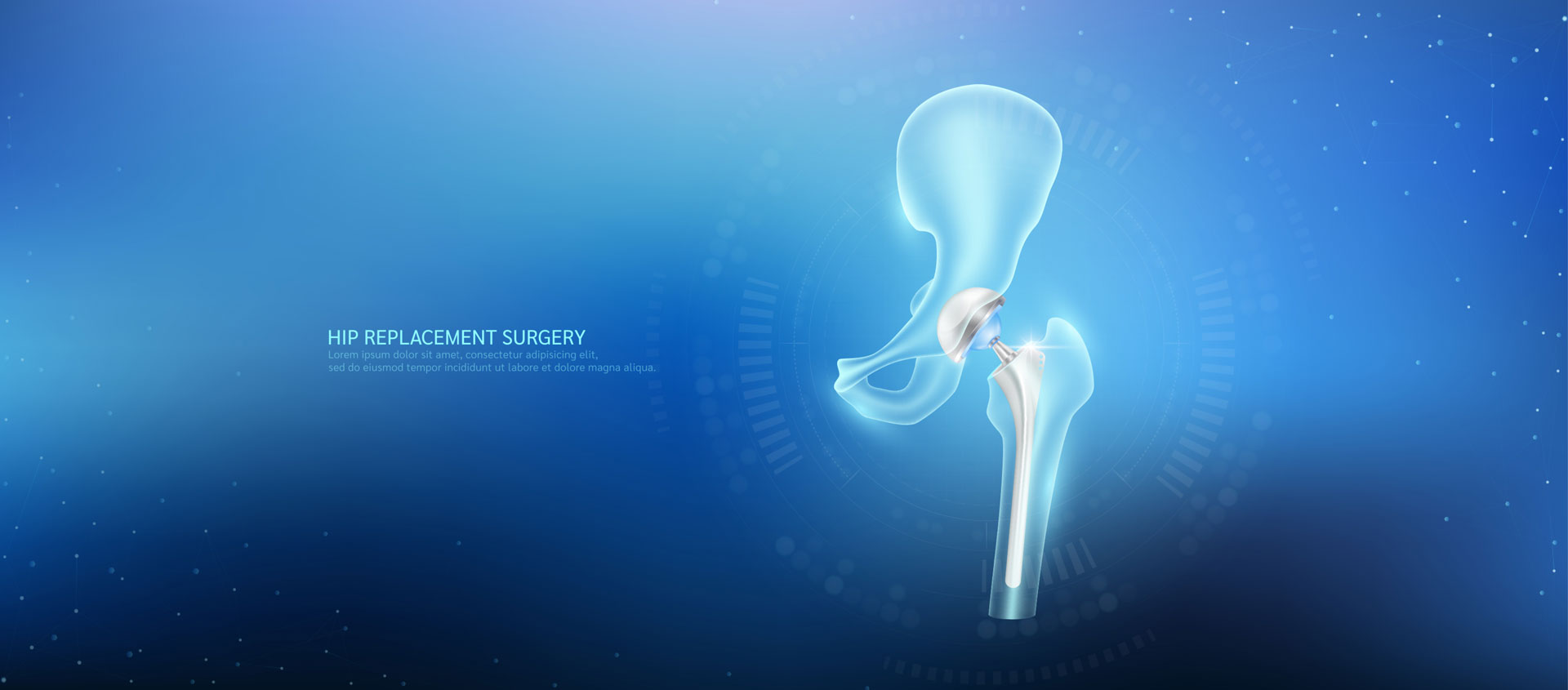
Why the Riva Method Helps Before and After Hip or Knee Arthroplasty
The Riva Method is indicated both before and after hip and knee arthroplasty because it specifically targets the neuromuscular and proprioceptive deficits that typically accompany degenerative joint conditions and surgical interventions.
Pre-arthroplasty, the method helps:
- Preserve muscle activation and proprioceptive control in patients with joint pain or reduced mobility.
- Improve postural stability and alignment, preventing maladaptive compensations..
- Prepare the central nervous system for more efficient post-surgical motor relearning and functional recovery, facilitating early rehabilitation.
Post-arthroplasty, the method is valuable because it:
- Accelerates the recovery of proprioceptive function and coordination, often compromised by surgery and immobilization.
- Improves dynamic balance and weight-bearing control, supporting gait retraining.
- Reduces the risk of falls and compensatory overload on the contralateral limb or adjacent joints.
- Accelerates functional reintegration by restoring sensorimotor confidence and precision in movement.
In summary, the Riva Method offers a neurosensory approach that complements traditional rehabilitation by restoring the sensorimotor integration required for optimal postural and motor control in patients undergoing hip or knee arthroplasty.